
5.0 Is Champers about to change?
As harvests get earlier and grapes get riper, what happens to the world's most famous fizz?

If you've been following the wine news over the past few weeks, there have been a lot of reports regarding Champagne, specifically around early harvests and alcohol content. I wanted to share my finding and thoughts on this too.
After heatwaves, drought and severe spring frosts, grapes were being picked from 6 August in some vineyards. By 17 August harvesting was widespread across the region, making 2026 the earliest Champagne harvest on record.
For context, one Champagne grower told Reuters that when he was young, harvest happened after children had returned to school, in late September and often into October. Across French vineyards generally, harvest dates have moved forward by around 21 days over the past 50 years, so yes, something is very clearly changing.
Essentially, the hotter the summers, the more potential there is for higher-alcohol wines. The wine maths is relatively simple here. As grapes ripen, their sugar levels rise.
More sunshine = More sugar = More alcohol.
During fermentation, yeast converts that sugar into alcohol. Warmer conditions can accelerate that process, meaning grapes can reach higher sugar levels much earlier than they historically would have.
The problem for Champagne is that its identity has traditionally relied on almost the opposite, a cool climate producing grapes with relatively low potential alcohol and high natural acidity. That acidity is part of what gives Champagne its freshness, tension and that light qualities.
In extreme heat, however, sugar can climb while acidity falls, and 2026 pushed that relationship into unfamiliar territory. Reuters reported growers rushing to pick grapes as acidity dropped, while producers are increasingly having to think about how warmer conditions could affect the balance of their wines.

In fact, the conditions have been so unusual this year that French authorities have allowed Champagne producers to produce wine with a higher level of alcohol from 13% to 15%. This is due to the higher sugar levels in the grapes.
So could the Champagne of the future be more alcoholic? Potentially. However, on the opposite side of this, 2026 could also produce brilliant wines rather than being the disaster you might assume.
The Comité Champagne has described the fruit as exceptionally healthy and ripe, with the potential to produce great, possibly very great wines. Despite the heat, the surviving grapes have retained freshness and acid potential alongside unusually high ripeness, concentration and fruit intensity.
So, climate change is creating conditions that threaten some of the characteristics traditionally associated with Champagne and those exact conditions might produce some absolutely fantastic Champagne. It's so contradictory.
Warmer isn't automatically worse. Don't get me wrong, extreme heat creates harsh conditions and makes life much harder in the vineyard however for regions that have historically sat at the cooler limits of wine production, additional warmth can also help grapes ripen beautifully. Green, underripe flavours become less of a problem and certain vintages can be extraordinary.
The big Champagne houses don't seem to be panicking.
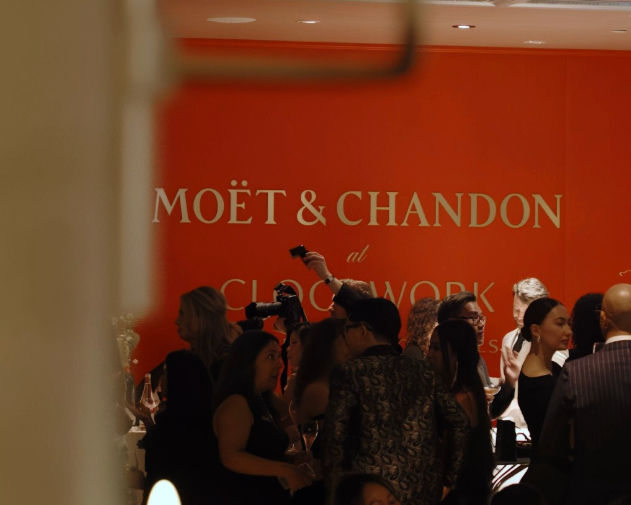
At Moët & Chandon, cellar master Benoît Gouez has been pretty positive about 2026, describing the character of the vintage as something of a “fruit bomb.” Despite the extraordinary heat, he's optimistic about the quality of what's coming into the cellar.
Perhaps one of Champagne's greatest defences against an unpredictable future is something that has been happening all along. Reserve wines can help when Mother Nature simply doesn't provide enough grapes, which is particularly relevant to this year.
Spring frost reportedly wiped out around 30% of the crop before heat and drought reduced yields further. France's agriculture ministry subsequently estimated Champagne production could fall by around 49% compared with 2025. Producers are already expected to draw more heavily on their reserves to help manage that shortfall.
When we talk about Champagne “adapting”, we're talking about earlier and more responsive harvesting, changing vineyard practices, predictive weather technology, experimenting with viticulture, managing soils and moisture differently, research, specialist teams and maintaining substantial stocks of reserve wine, all of that requires resources.

Champagne also has another trick up its sleeve. Blending.
Champagne has spent centuries learning how to deal with inconsistent vintages. Most of Champagne doesn't come exclusively from the grapes picked that year. Producers can hold back wine from previous harvests, then blend different years together.
It effectively allows a house to soften some of the extremes of nature and 2026 provides a pretty extraordinary example. Cellar masters now potentially have wines available from 2024, which was cool and wet; 2025, which was warm; and 2026, which has been extremely hot.
Freshness and acidity from a cooler year can potentially be blended with the ripeness, concentration and fruit of a hotter one. Moët certainly isn't sitting around waiting to find out what happens. The house has been evolving how it manages vineyards in response to climate change, from soil and biodiversity work to a sustainability programme involving more than 2,000 grower partners.
Veuve Clicquot is looking at the same problem from multiple angles.
Its teams have spoken about grapes ripening earlier as temperatures increase and the importance of preserving freshness, including changes in the vineyard such as maintaining vegetation between vines to help retain moisture and managing the canopy to protect grapes from excessive heat. Veuve also has a lot of reserve wine.

For Yellow Label, around 40–45% of the final blend can come from reserve wines, with the cellar team potentially working with an enormous library of individual wines when creating the final blend.
This is great as it makes centuries-old winemaking techniques look like a pretty incredible climate adaptation tool.
Laurent-Perrier is adapting too.
The house has spoken about responding to “new climatic realities”, including earlier buds, greater spring frost risk, accelerated ripening and summer water stress. Its response includes closer monitoring of vine development, predictive weather data, deeper soil work to encourage root systems and carefully managed grass cover within vineyards. None of these things were invented because of 2026.
The houses have known the climate is changing for some time and they're already adapting to it.

Laurent-Perrier's Grand Siècle takes this idea further with the thought, that behind the wine, nature rarely provides the “perfect” vintage, so rather than waiting for one, Laurent-Perrier creates it through blending complementary years.
A large Champagne house with deep cellars, significant reserves, technical teams, extensive grower relationships and money to invest in research is in a very different position to a small grower whose livelihood is far more directly connected to what comes off their vines that particular year.
Moët works with thousands of growers and Veuve can potentially call upon an enormous library of reserve wines when creating its blends. Laurent-Perrier has dedicated reserve-wine cellars where individual crus and grape varieties can be kept separately in temperature-controlled tanks, giving its cellar master an extraordinary palette to work with. That's a pretty good set up for them.
Smaller producers can absolutely be innovative but they don't necessarily have the same financial buffer when frost destroys part of a crop, drought shrinks what's left and then everything that survives suddenly needs picking weeks earlier than expected. Climate adaptation, unfortunately, isn't free.
So should we actually be worried? I reckon a little.
I'm not saying Champagne is suddenly going to get worse because France is getting hotter. The 2026 harvest rather beautifully proves why that's far too simplistic. The vines survived extraordinary conditions and the fruit that made it through is reportedly excellent. Moët is talking about a “fruit bomb”. The Comité Champagne thinks there is potential for great, possibly very great wines.
Champagne's reserve system is doing exactly what it was designed to do but what worries me more is the speed at which they may have to keep adapting.
An August harvest once sounded bizarre, now Champagne has just recorded its earliest harvest ever. There is only so much earlier you can pick before you're fundamentally dealing with a different growing environment.
Eventually the conversation becomes less about maintaining consistency between vintages and more about whether Champagne itself begins to change.
Perhaps the wines become slightly riper and more alcoholic. Maybe the technique of blending becomes even more important and new vineyard practices and grape varieties continue to change.
Is the phrase “classic Champagne” tastes like slowly changing? I think Champagne might be entering its next era.
The producers with the knowledge, reserves and the money to adapt may be able to navigate that transition remarkably well. For others, it could be much harder.

Whilst Champagne gets warmer, look what's happening over here.
If the conditions suitable for making brilliant sparkling wine are gradually shifting north, that potentially creates opportunities elsewhere.
Hello, England.
The English wine industry has been getting busier and better. As I have written in a previous chapter, Champagne houses themselves have already taken notice.
Taittinger has invested in Kent through Domaine Evremond, while Vranken-Pommery has been producing English sparkling wine in Hampshire.

After another extraordinarily warm British summer, English producers are talking about the potential for exceptional fruit here too.
This isn't me saying England is about to “replace Champagne”. It won't.
Champagne is Champagne.
It's a place, an appellation, a history and an entire culture of winemaking that can't simply be replicated somewhere else. However, climate doesn't particularly care about our wine traditions.
As conditions change, the map of where grapes can thrive changes with them making the next few decades of sparkling wine incredibly interesting.
I guess I am interested in how these Champagne houses adapt. Whether the wines change, whether higher alcohol becomes something we notice or the techniques Champagne has relied on for hundreds of years become even more important in protecting its future. Which producers will keep up?
Meanwhile, I'm still putting my money on the UK becoming even more fabulous at sparkling wine along the way.

Comments